
Isotretinoin is one of the most effective treatments for severe and persistent acne. However, while its dermatological benefits are well established, its effects on the eyes and ocular surface are sometimes overlooked. Recent evidence suggests that ocular complications—particularly dry eye and meibomian gland dysfunction (MGD)—are relatively common during isotretinoin therapy.
How does isotretinoin affect the eyes?
The meibomian glands in our eyelids produce an oily layer that prevents excessive evaporation of tears. Because isotretinoin suppresses sebaceous gland activity, it can also affect these glands. This may reduce the quantity and quality of meibum, resulting in tear-film instability and evaporative dry eye. A 2026 systematic review involving 43 studies found worsening of dry-eye symptoms and objective ocular-surface abnormalities, particularly involving the meibomian glands.
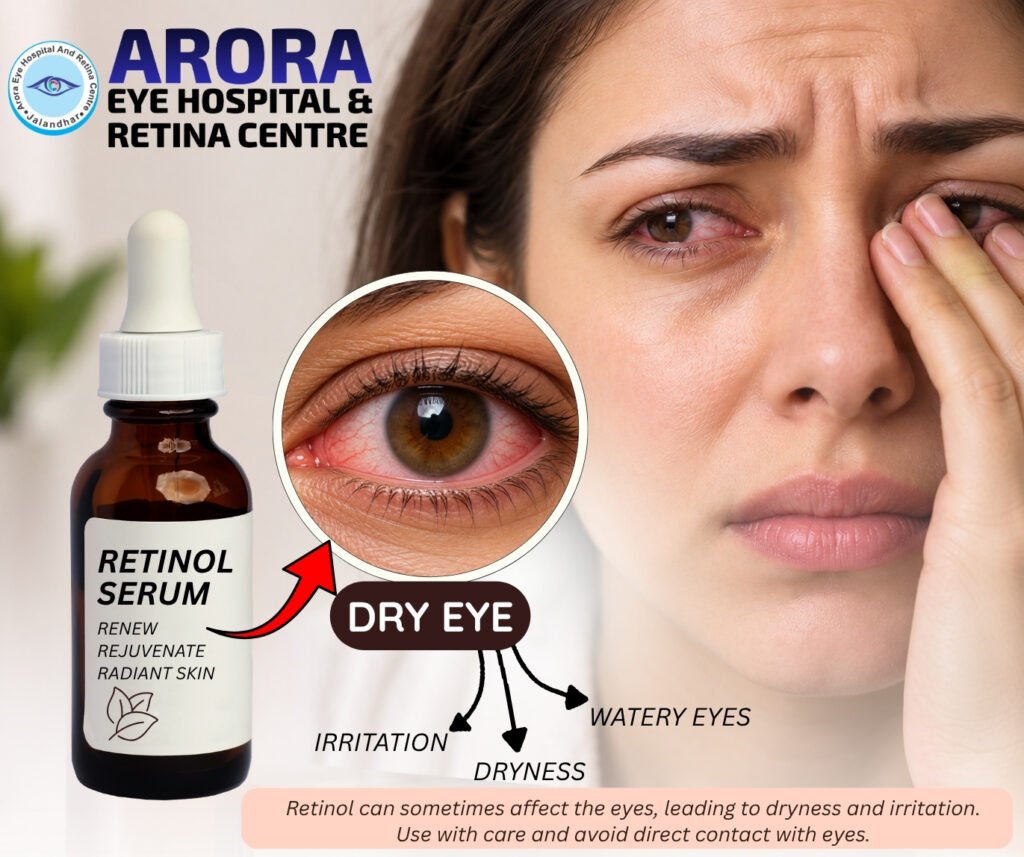
Patients may experience burning, redness, irritation, gritty or foreign-body sensation, excessive watering, fluctuating vision and light sensitivity. Contact lens users may develop significant intolerance and may need to reduce or temporarily discontinue lens wear.
Studies using meibography have demonstrated measurable meibomian gland changes during treatment. Some research has also shown corneal staining and reduced tear-film stability.
Less common but important effects
Although dry eye is the most frequently reported ocular complication, other problems have been described, including blepharitis, keratitis, corneal opacities, visual disturbances and reduced night vision. The current FDA prescribing information specifically warns about visual problems and decreased night vision, which can occasionally persist after treatment.
What should patients do?
Patients starting isotretinoin should be informed about possible ocular symptoms, particularly those with pre-existing dry eye, contact-lens use or other ocular-surface problems. Preservative-free lubricating eye drops, regular blinking, adequate hydration and appropriate management of eyelid disease can provide relief.
If symptoms are persistent or significant, an ophthalmological examination may include tear-film assessment, corneal examination and meibomian gland evaluation.
Most importantly, patients should not stop isotretinoin on their own. Any significant visual change, severe eye pain, marked redness, sudden reduction in vision or new night-vision difficulty warrants prompt medical evaluation.
With appropriate awareness and collaboration between dermatologists and ophthalmologists, isotretinoin can be used effectively while minimizing its potential impact on ocular health.